Bioksanland
Growing solutions locally
A living laboratory for sustainable agriculture, research and community resilience on the shores of Lake Victoria.
Since 2020
From one hectare to a living laboratory
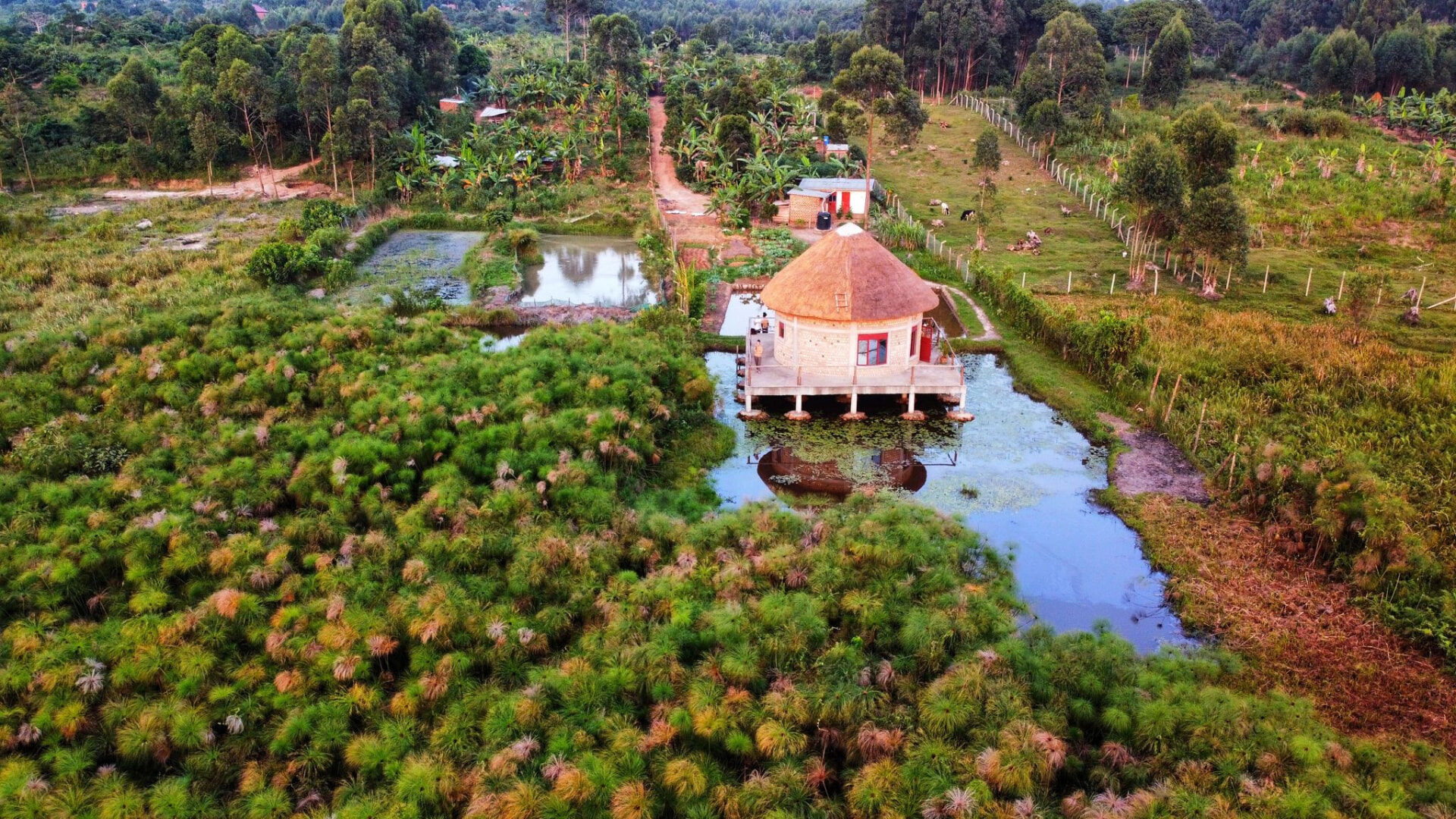
Bioksanland began in 2020 with the acquisition of one hectare of land near Kikaya. Agriculture, tree planting and solar energy formed the first foundation of the project. In 2021, construction began on the Research and Sustainable Development Center, completed in 2022, creating the infrastructure from which many of today's initiatives have grown.
Discover our journey →2020
Land & agriculture
2021
Research Center begins
2022
Research Center completed
Today
Living laboratory
Bioksanland
Three core pillars
Sustainable production
Diversified, ecological crops that feed the community and the projects around it.
Agricultural innovation
Hydroponics, greenhouse growing and irrigation adapted to local conditions.
Research & knowledge
Applied research carried out with and by the local team.
Discover the project
Bioksanland in action
See how Bioksanland is evolving through sustainable agriculture, research and locally driven innovation.
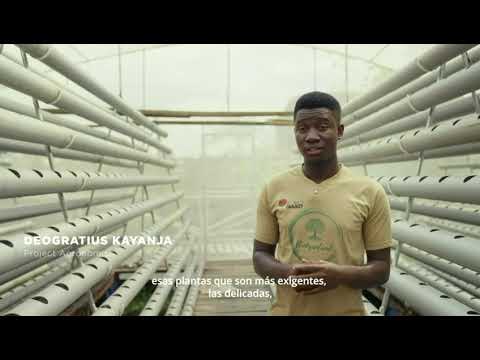
Playing this video will load content from YouTube, which may use cookies or other third-party technologies.
Latest video
Bioksanland 2025
A look at the latest developments across sustainable agriculture, innovation and local production at Bioksanland.
Watch on YouTube ↗
Playing this video will load content from YouTube, which may use cookies or other third-party technologies.
Earlier video
Bioksanland — Uganda 2024
Discover the development of Bioksanland and the foundations behind many of its current initiatives.
Watch on YouTube ↗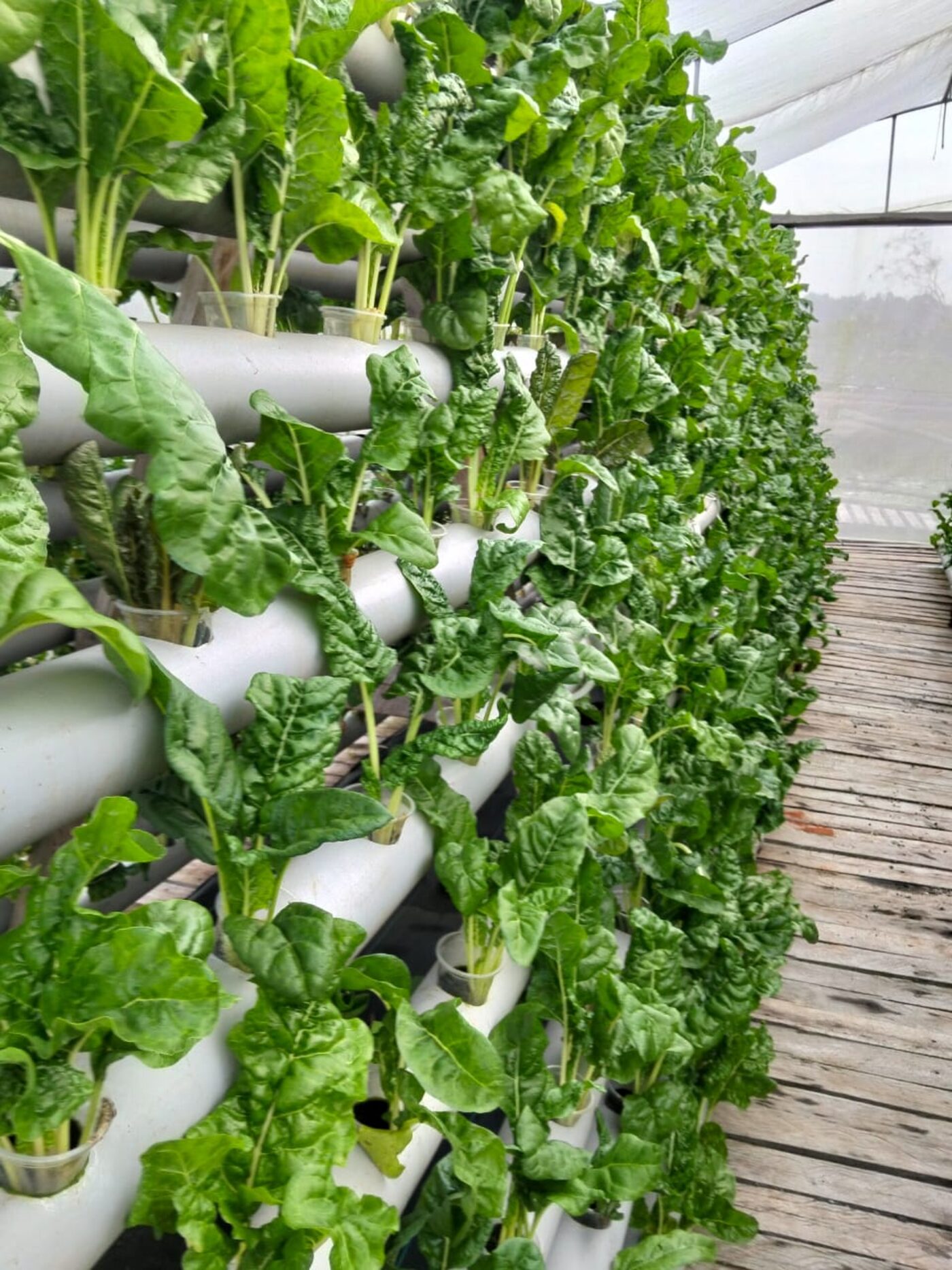
Hydroponics
The hydroponic infrastructure became operational in 2025, with more than 2,000 plants introduced during its initial productive phase. The local team was trained with support from Ugandan hydroponic specialists — local experts training local teams.
- Infrastructure operational in 2025
- More than 2,000 plants in the initial productive phase
- Training led by Ugandan hydroponic specialists
- Knowledge transfer designed for local autonomy
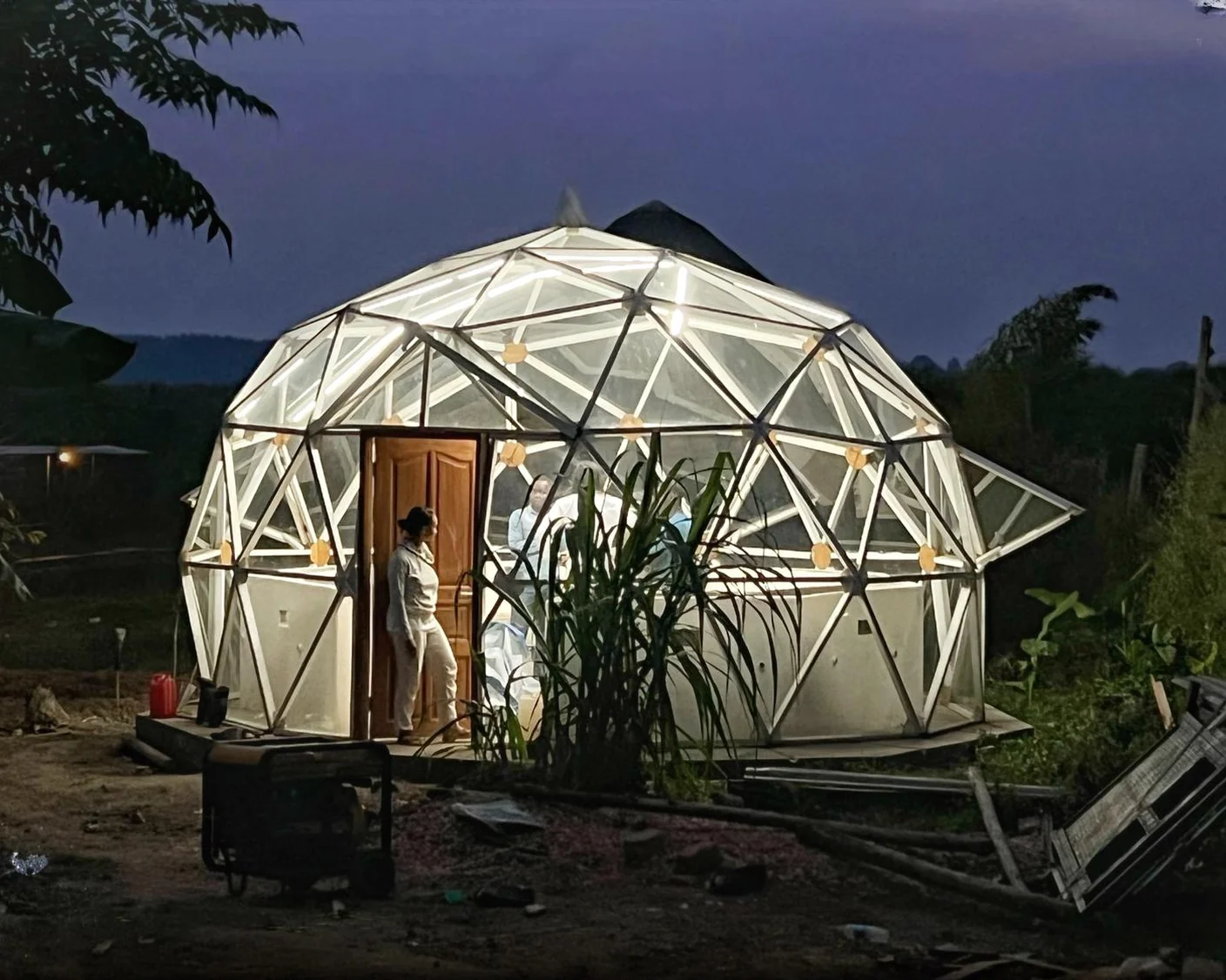
Greenhouse 2.0
The original greenhouse collapsed after severe weather in 2025. Instead of rebuilding the same structure, the project was redesigned with a stronger metal structure better adapted to local conditions — an example of resilience and iterative innovation.
- Plant germination
- Nursery
- Hydroponic preparation
- Crop planning
- Reforestation support
Sustainable agriculture
Diversified, ecological cultivation that supports food production, soil health and local resilience.
- Papaya
- Matooke
- Sugar cane
- Avocado
- Orange
- Cassava
- Star fruit
- Soursop
- Sukuma wiki
- Spinach
- Cacao
- Guava
Koffiok
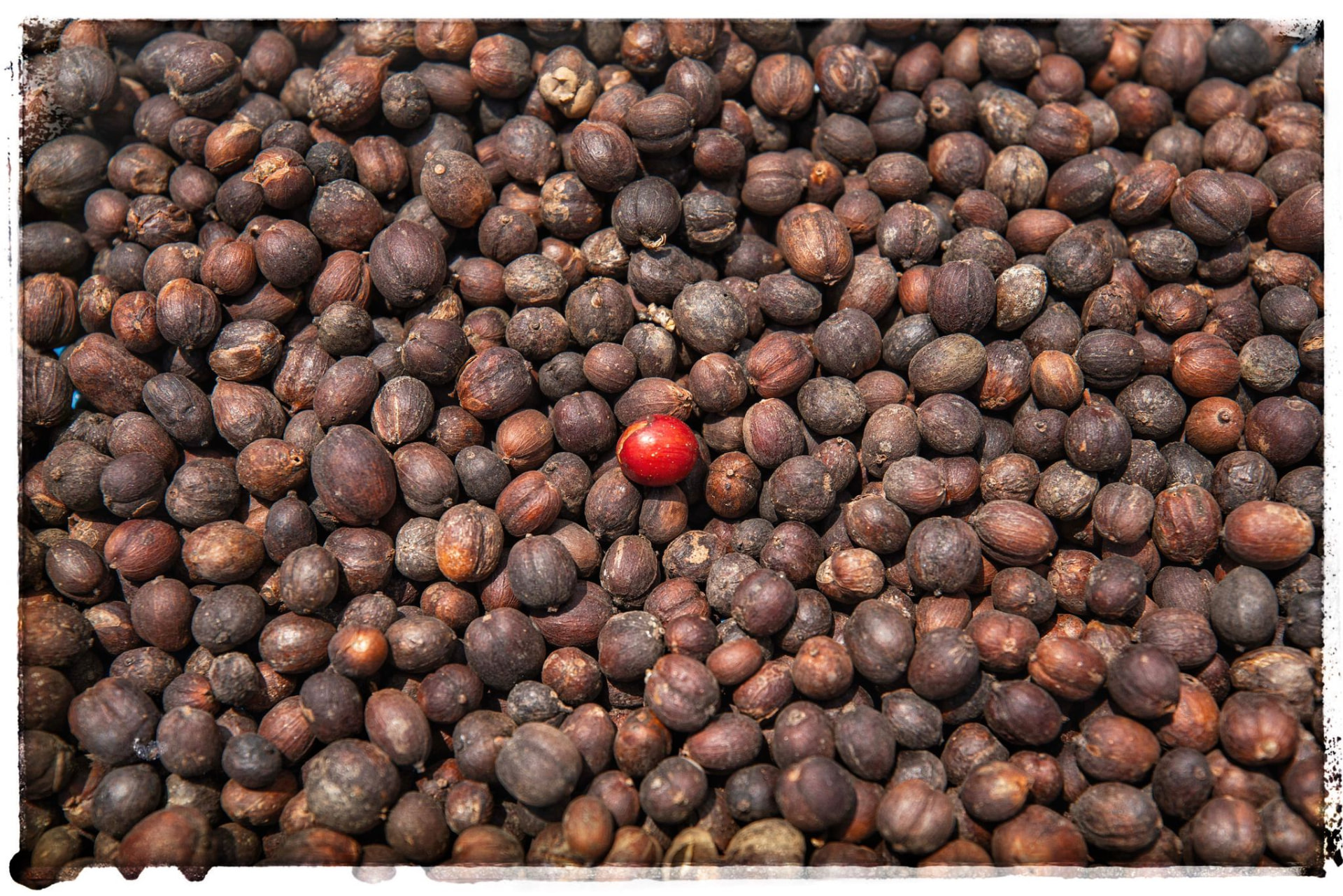
Koffiok
Locally grown ecological coffee, managed with sustainable crop practices.
- Ecological pest-control methods
- Improved irrigation
- Occasional use of Bioksanland biogas during coffee processing
- Development of local value-added products
Local products
These initiatives explore how local agricultural production can generate additional value and potential sources of local income.
Coffee
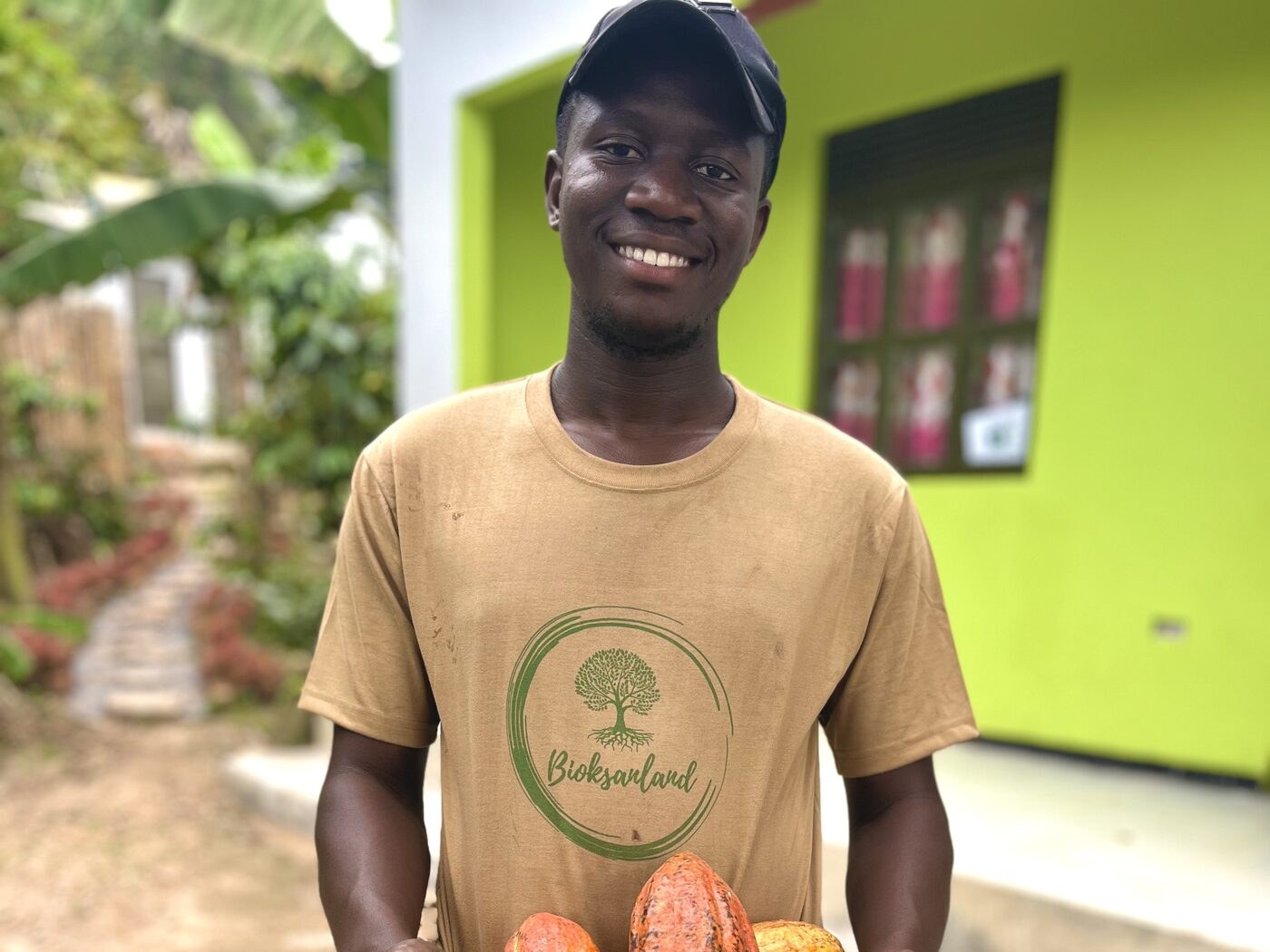
Cacao & chocolate
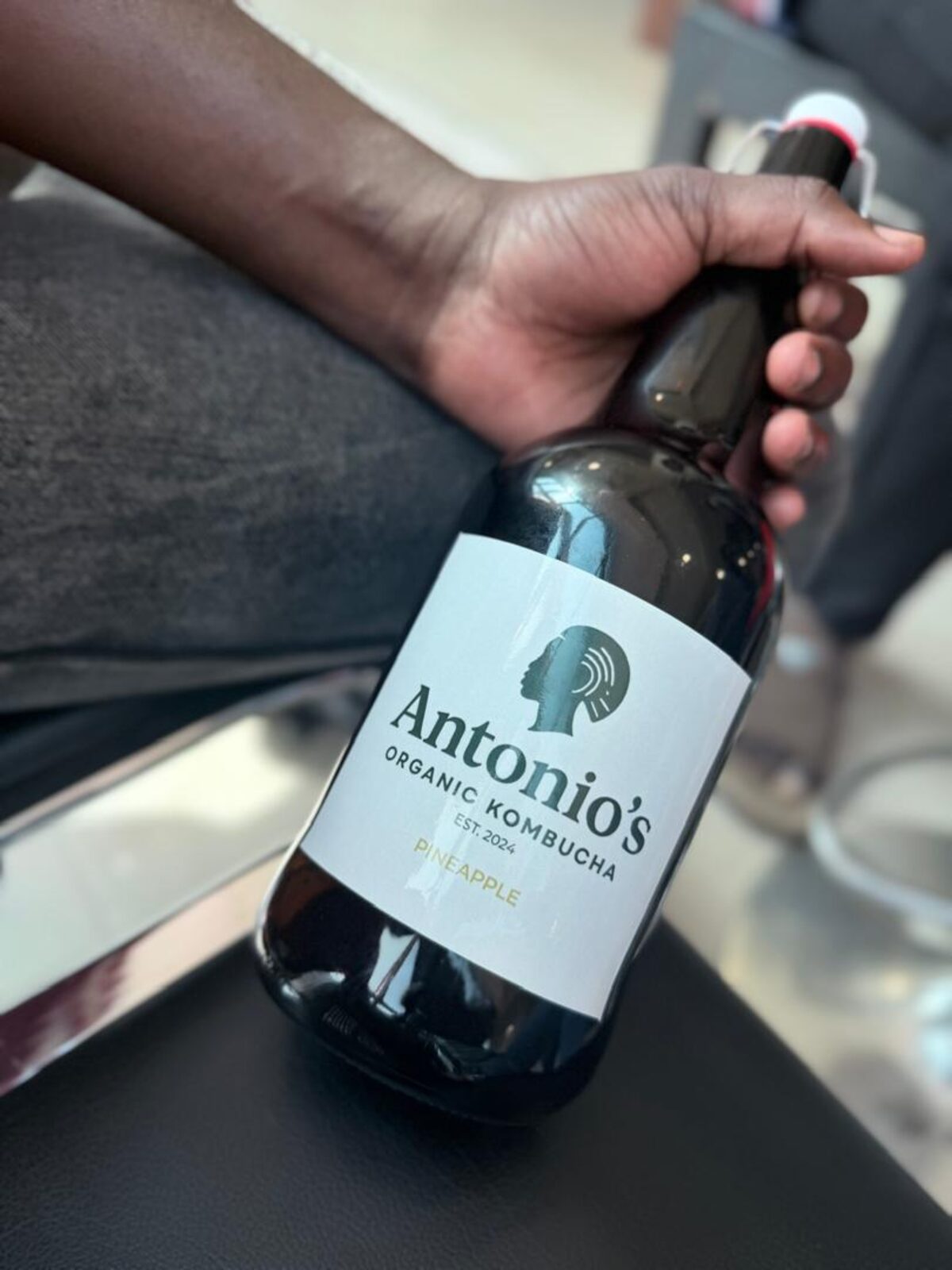
Kombucha
Renewable energy
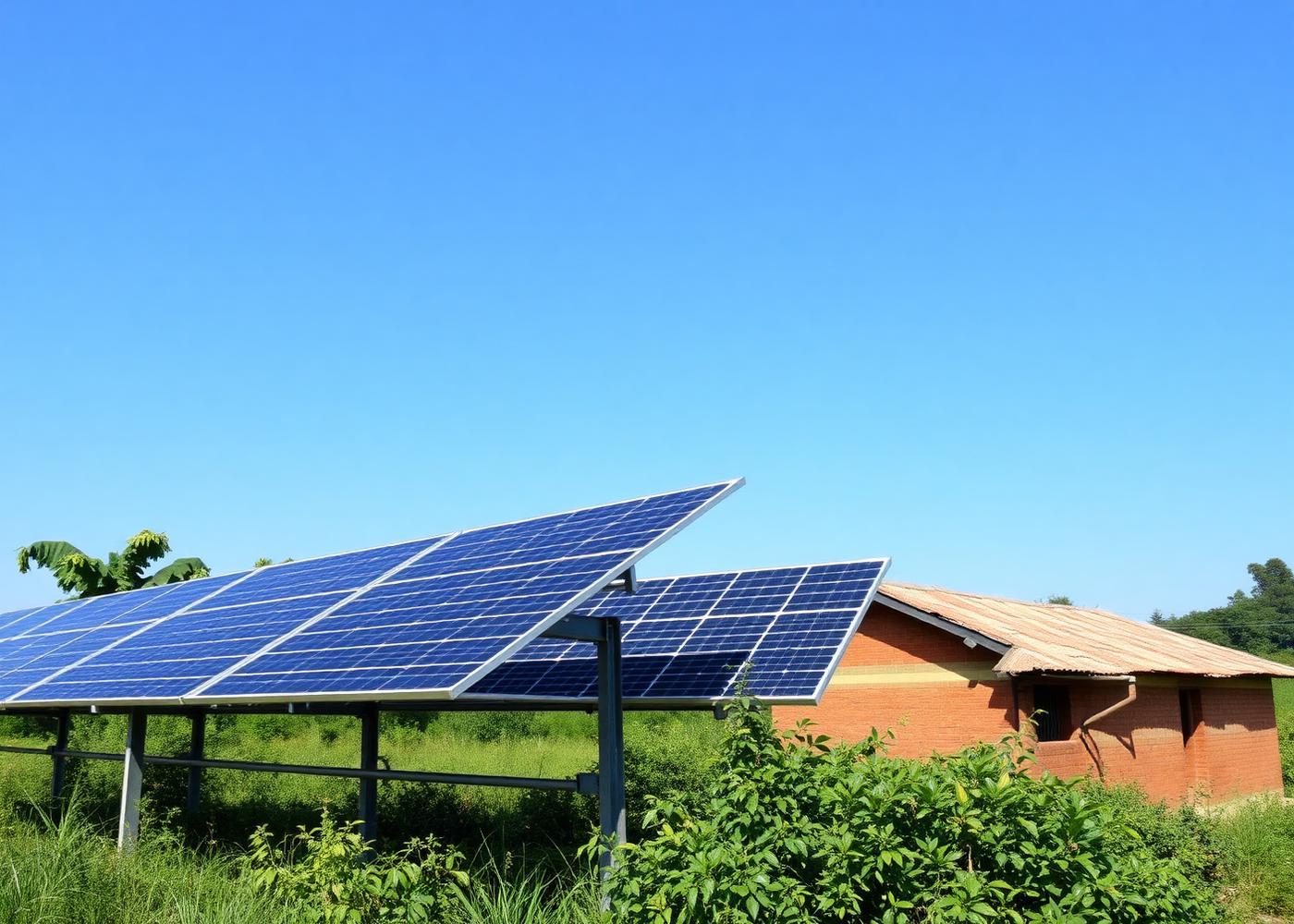
Solar energy and biogas reduce dependency on fossil fuels and make daily operations more resilient.
- Solar energy
- Biogas
- Energy resilience
- Reduced fossil fuel dependency
2022
Research & Sustainable Development Center
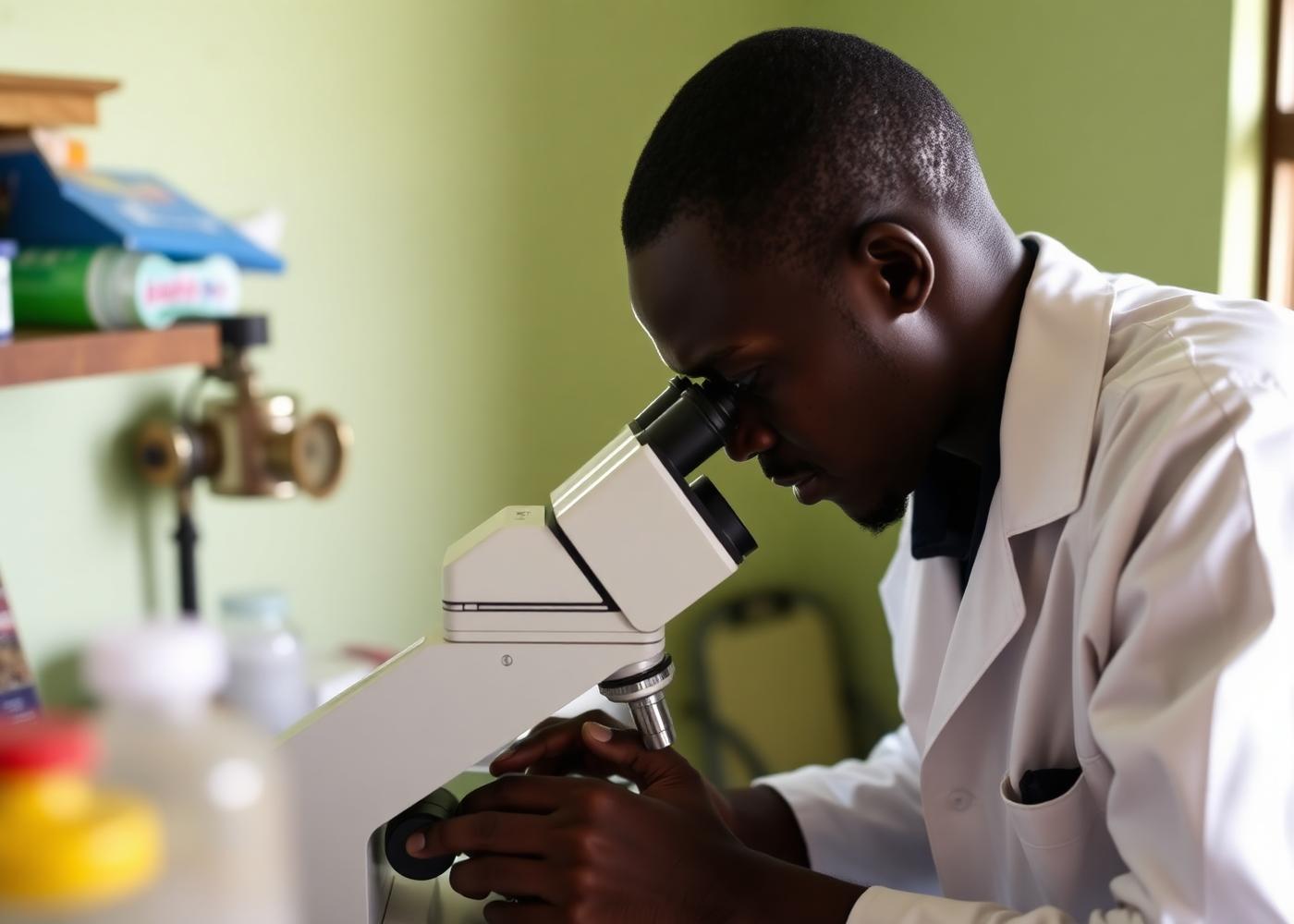
Completed in 2022 and subsequently improved and equipped, the center provides a physical base for applied research, training and the generation of locally relevant knowledge. It supports research and experimentation connected with agriculture, environmental sustainability, health and the biodiversity of the region.
Knowledge generated locally
Bioksanland also supports applied research and locally generated knowledge, carried out with the local team and Uganda-based research activity.
Built on experimentation
Since its early years, Bioksanland has explored practical projects in areas including biogas, medicinal plants, soil management and locally adapted agricultural methods.
2025 research milestone
Exploring the Use of Medicinal Plants in Ugandan Lakeshore Communities: Insights from Kikaya, Sazzi, and Buwaya
Future and developing initiatives
Next steps
- Improving access infrastructure
- Improving the Bioksanland pond
- Water recirculation
- Potential aquaculture
- Sustainable agricultural mobility